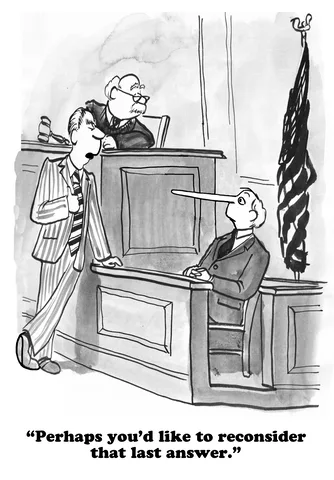
A practical guide built around the “Do No Harm” principle
If you try cases, you already know cross can make or break trial strategy. The core rule here is do no harm: ask only what advances your theory or weakens the other side’s, and stop before the “one question too many.” That approach, reinforced throughout the recent NITA session, keeps the focus on facts, witness control, and goals that you can actually reach on the record.
Robert Singer brings 50+ years of perspective to this topic, including 38 years as a civil and family trial lawyer and 12 years as a General Magistrate in the Family Division of the 11th Judicial Circuit in Miami. His courtroom experience informs a simple insight: when both sides can speak and be heard, resolution and persuasive trial records follow.
What is the “do no harm” approach to cross examination?
It’s a method where every cross question asserts a single provable fact, uses leading form for control, and advances a defined goal for closing argument. You avoid conclusory or argumentative prompts, skip topics you cannot prove, and stop once you’ve secured the facts you need.
The four safety corners of effective cross
1) Facts only, never conclusions
Ask about provable facts you can confront with the record, physics, or common sense. Steer clear of subjective characterizations (“It was a dark and stormy night”) and conclusions the witness need not accept.
2) Leading questions for control
Short, single-fact, leading questions keep you, not the witness, in charge. Florida authority and national practice materials align on this point.
3) March toward a reachable goal
Group questions into chapters that build to a specific closing point you can actually reach with this witness. Organize by topic, not chronology.
4) Stop before the “gotcha”
Don’t chase cinematic moments. The safest, strongest cross ends one question early once you’ve banked the facts you need. This echoes classic trial guidance on avoiding the final, risky question.
Advanced technique: “Questments”
Many judges accept a form of leading where a short declarative sentence, asked with rising intonation, functions as a question, commonly dubbed a “questment.” Recent scholarship argues courts should normalize this form because it’s simply another way to lead. Know your judge, but this is a powerful tool for clarity and control.
From constructive to destructive: a sequence that reduces risk
Start with constructive cross (points of agreement that help you). Move to limitation (relevance or certitude), and only then, if warranted, impeachment. This left-to-right escalation keeps tone professional and aligns with juror expectations, again, do no harm first.
Witness control without theatrics
- Length governs length. Short questions invite short answers.
- Correct non-answers calmly. Repeat the exact question; ask for a clear “yes” or “no.”
- Use look-backs and slicing. Repeat the key phrase (“when you looked away for a minute…”) and break events into micro-steps to ensure the record carries your theme. These are common, court-approved control techniques reflected in trial-skills literature.
What the on-demand NITA session adds (and why to watch)
The live stream: available to watch recorded, distills cross into teachable habits:
- Single-fact leading that reads cleanly in transcripts.
- Goal-driven chapters that map directly to closing.
- Language discipline to avoid conclusory traps (“So…would you agree…?”).
- Tone and body language that convey control without hostility.
These themes echo and expand on widely cited bar guidance (plain words, short questions, don’t let the witness repeat direct, save the point for summation) while adding modern nuance on “questments” and sequencing.Watch the recorded NITA session to see these techniques modeled step-by-step and apply them in your next cross.
Cross examination checklist
- Define your closing goal for this witness.
- Draft chapters with single-fact, leading questions.
- Confirm each fact is provable from the record.
- Start constructive, then limit, then impeach if necessary.
- Use questments judiciously if acceptable to your court.
- Stop once the record supports your closing point.
Done well, cross examination is disciplined, fact-driven, and anchored to a closing you can actually deliver. Keep questions short and leading, do no harm, and stop when the record supports your theme. See these techniques in action, and bring them into your next trial. Register today to watch the recorded NITA session and connect with Robert Singer.
Disclaimer: The information on this page is for general educational purposes and does not constitute legal advice. Procedures and rules vary by court and jurisdiction. For guidance specific to your case, consult a qualified attorney.